


Since Friday, September 4 2026, Mount Anak Krakatau has continued to erupt with Level III or Alert status. The wind carried volcanic ash across to Lampung, Banten, DKI Jakarta, and West Java. A number of affected residents said they experienced shortness of breath, sore throats and even watery eyes due to exposure to the ash. So, how dangerous is volcanic ash, and what should you do to protect yourself?
Nastier than Ordinary Dust
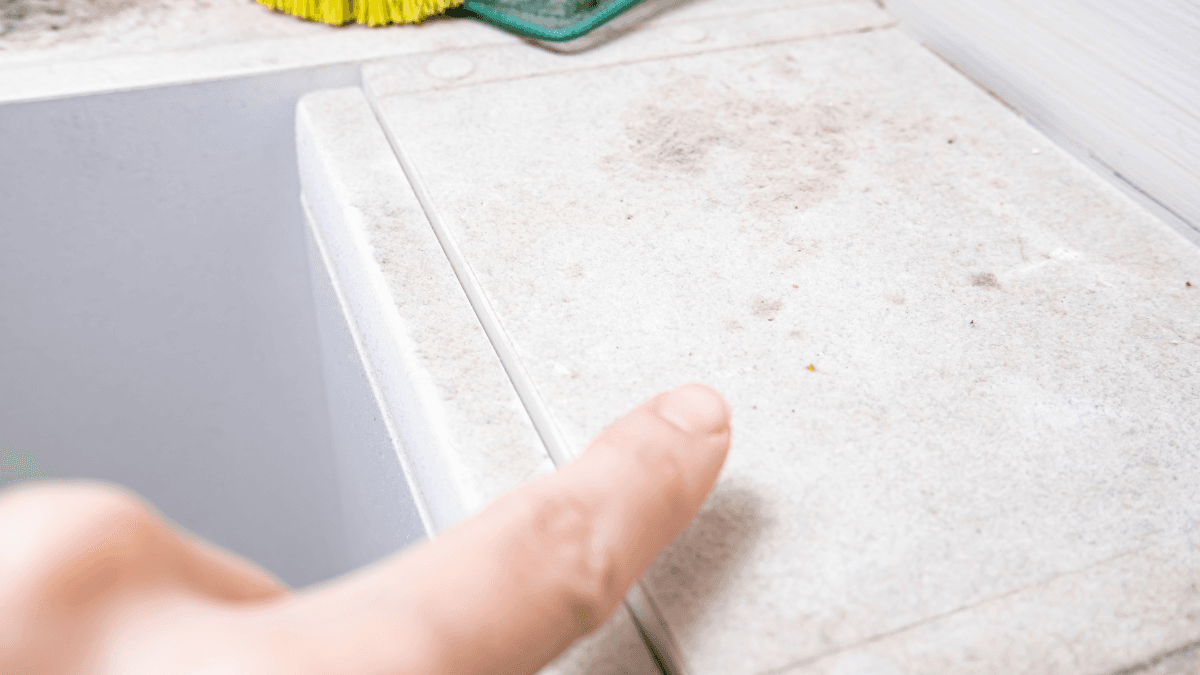
At first glance, volcanic ash may look like flying road dust, especially during the dry season. But physically, the two are very different. Volcanic ash is formed from rocks destroyed by hot gas explosions inside volcanoes, so the particles are hard, sharp and abrasive, resembling very small glass shards. This ash consists of irregular rock fragments, minerals and volcanic glass. That is why objects exposed to this ash, such as car windows and windows, are easily scratched if cleaned the wrong way.
This hard and sharp nature makes volcanic ash many times worse than ordinary dust when inhaled or on the eyes and skin.
Most Vulnerable Body Parts
Very small and fine ash particles are at risk of entering the lower respiratory tract. As a result, people who inhale it can experience throat irritation, coughing, Acute Respiratory Infections (ARI), and worsening asthma for those who have this history.
Apart from that, sharp particles can also scratch the surface of the cornea, especially if you rub it. Therefore, never rub your eyes when exposed to volcanic ash. Rinse with clean water, use eye drops if necessary, then check with a health center if irritation persists.
What is no less vulnerable is the skin. Exposure to ash that remains on the skin for a long time can really trigger irritation, especially on sensitive skin. Cleaning your body and clothes immediately after activities outside the home is enough to help prevent ash from staying longer on the surface of the skin.
How to Protect Yourself
The most effective protection is one that immediately closes the gap between volcanic ash entering the breath, eyes and skin. Efforts that can be made include:
- Use an N95/KN95 mask when you have to leave the house. If you don't have one, use any type of mask or at least cover your nose and mouth while outdoors.
- Protect your eyes with glasses so they are not directly exposed to ash.
- Close doors and windows so that ash does not enter areas inside the house.
- Wash your hands and face after activities outside the home. Use facial cleansing cream and don't rub it roughly so as not to cause abrasions on facial skin.
- Drink lots of water to keep your airways moist.
- Avoid burning rubbish or other activities that increase air pollution around the house.
- Go to the nearest health center or health facility if you experience respiratory, eye or skin complaints that do not improve.
Currently, the Ministry of Health has activated itHealth Emergency Operating Center (HEOC)and alerting community health centers and hospitals 24 hours a day, complete with medical supplies, oxygen, nebulizer concentrators and others to anticipate a surge in patients.
Safe Ways to Clean Your House
One of the most common mistakes made when cleaning the house is sweeping away accumulated ash. The danger is that this method actually causes the ash to fly again and increases the risk of inhalation. Here's the right way to clean your house from piles of volcanic ash.
- Wet before cleaning. Spray the ash-covered area with a little water to keep the particles from becoming airborne when swept or wiped.
- Do not rub ash on the surface of the glass or vehicle body. The abrasive nature of ash can cause its friction to leave permanent scratches on an object. Therefore, wet it first with water before gently wiping it.
- Do not allow ash to enter drainage channels. This can clog the drainage system and cause new problems when it rains.
- Discard in a sturdy plastic bag. If there are any, hand over the ash bags to the transport truck instead of letting them pile up or throw them away carelessly.
In the midst of a situation that is still developing, the most appropriate attitude is to remain calm without neglecting vigilance. Don't be easily influenced by information whose source is unclear. Because the confusing news only triggered greater panic than the impact of the volcanic ash itself. For this reason, it is important for the public to continue to monitor official information from BMKG, PVMBG and BNPB regarding the development of the eruption, considering that conditions can change at any time.