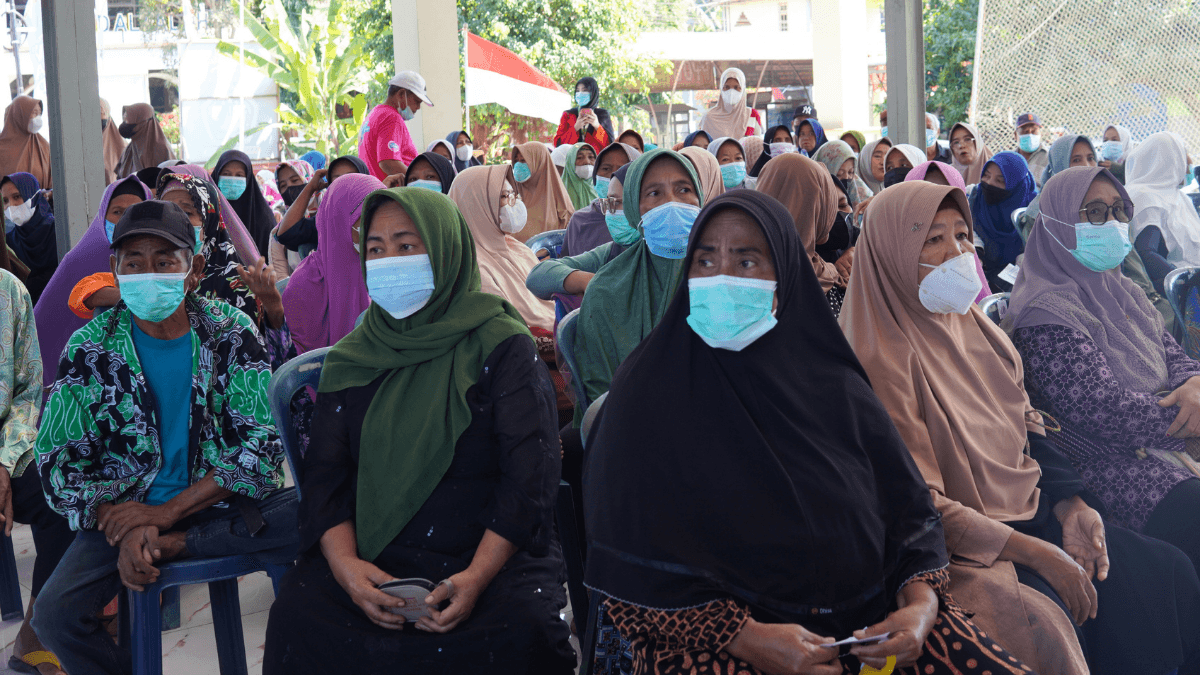



TB cadres visited a resident in Bandung Regency, West Java.
The heat of the afternoon was unable to penetrate the thick curtains that tightly closed the windows of the TB suspect's house in Bandung Regency. Fitri, who has been a TB cadre for two years, took a deep breath before knocking on the wooden door which felt hot from the sun. He knew, in that dark room that was deliberately created, there was someone who was trying to hide his illness from the ears of the world. Fitri's task this time is not only to ensure that he is willing to start treatment, but also to maintain his status so that he doesn't become food for the neighbors who are gathering on the terrace next door.
As soon as the door opened, the residents of the house welcomed Fitri and the village cadres who accompanied her, with smiles wrapped in high alertness. The conversation flows slowly, almost in a whisper, to ensure that not a single sentence bounces off the walls of the house. In the middle of the conversation, he was breathing heavily, repeatedly holding back small coughs. Village cadres sat quietly, occasionally nodding sympathetically. In his mind, he was visiting residents who were battling heart disease. At least, that's the narrative he has believed so far.
The time to say goodbye arrived, Fitri and the village cadres returned along the narrow alley to the main road. The village cadre's curiosity was aroused.
"Well, it's a bit lami nembé, ma'am? Is your heart rate bad? Katingalna hope sesek(Why did it take so long, ma'am? Her heart disease is getting worse)," asked the cadre.
The footsteps stopped for a moment. "Sanes heart ma'am, anjeunna TB at the Puskesmas(It's not his heart, ma'am, he has TB, according to the Puskesmas)," answered Fitri slowly.
Immediately, the village cadres froze, digesting Fitri's words. His eyes widened in disbelief at his colleague beside him.
"Ah, the game is TB? Piraku(Really, ma'am? It's impossible)," he asked stammeringly. So far, he had simply believed the claims of the residents of the house and neighbors without suspecting anything.
For Fitri, the cadre's surprise was a reflection of how tightly the curtains had been installed in the house.
Fitri shook off the silence by going to report to the Community Health Center.
A few days later, the shortness of breath that had been thought to be a weak heart showed its true face as a serious lung infection. The examination results cannot lie, he must undergo treatment.
Fitri's real task began, she carried out a Contact Investigation (IK) when the curtains in the house slowly opened. One by one the family members living under the same roof were examined.
In the world of TB, one confirmed person is a reminder that those closest to them are at the same risk. Finding one case does not mean the end, but rather the beginning of efforts to break the chain of transmission so that no one else languishes for fear of judgment from the outside world.
Stigma Feels More Painful
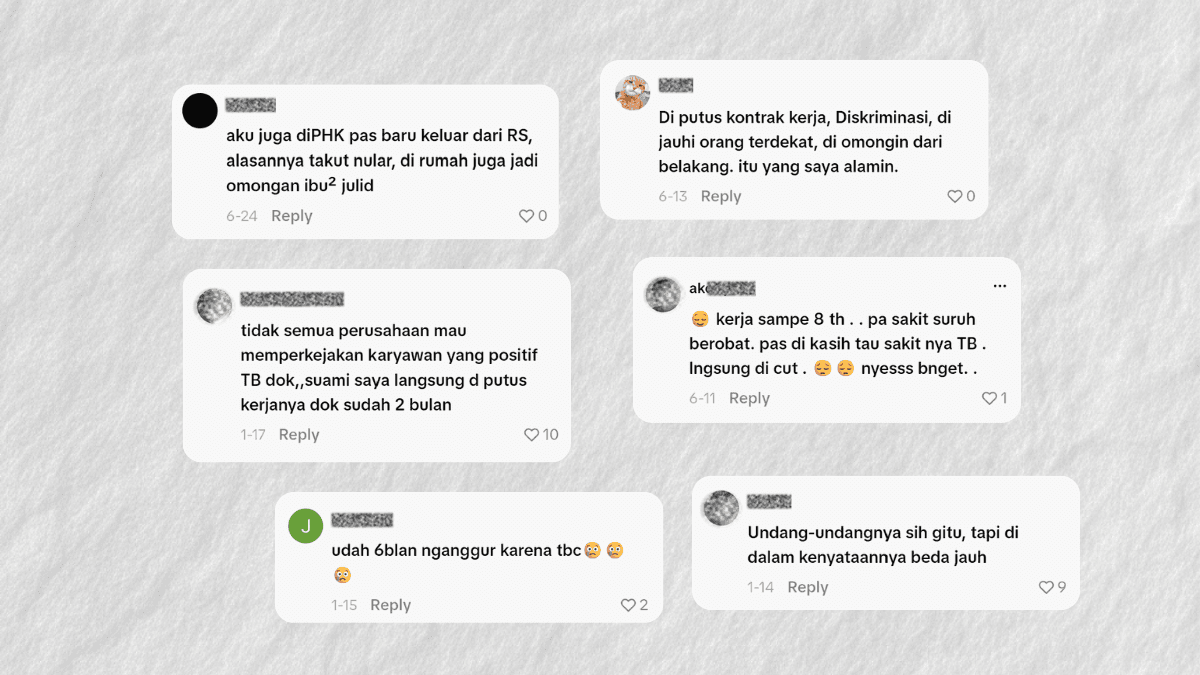
The story behind the closing of the curtains is just one of many portraits of resistance to stigma that is deeply rooted in society. In many corners of the settlement, TB is a social verdict that is more painful than the disease itself.
For some people, the choice to label themselves as having heart disease feels more honorable than the fear of whispers from their neighbors. In fact, it is clear that stigma can hinder the treatment process. This embarrassment increases the risk of infection. That is why protecting TB cadres must move like intelligence agents who come without any flashy attributes in order to protect the dignity of the people they accompany.
It's time we stop being an excuse for someone to lie about their illness. We must help them break the most dangerous chain of infection, namely shame.