
 The atmosphere of Systematic Tuberculosis Screening (SSTB) in Caringin District - Bogor
Rain at the foot of Mount Bogor often falls without warning. The roads became slippery, the air was shivering, and the houses stood far apart following the contour of the hills. But for thosetuberculosis (TB) team and cadres, the weather is not a reason to stop.
They keep going. From one house to another. From RT to RT. Explain the importance of screening and convince residents that early detection can save lives.
This is a portrait of the quiet life-saving work of the FCSDS program(Life-saving Facility and Community-based Service Delivery Support for Tuberculosis) in the Bogor, West Java work area for the period November 2025-January 2026.
When the Village Opens its Doors
Before screening is carried out, the first step is not to bring an X-ray device or a list of target names. The first step is to stay in touch.
The team must meet the village head. Request permission to carry out contact investigations (IK) and Community Outreach (CO). Manage cadre assignment letters because cadres are under the village structure. This is where the role of village government becomes very decisive.
There are villages that have TB Alert Village status that have budgets and support systems. There are also villages that haven't. However, one thing that was encouraging was when the village head responded enthusiastically, although not all of them were very helpful.
Several village heads even actively discussed, consulted, and referred to their areas as "TB pockets" that needed joint attention. The village head's wife or PKK mother is often the driving force. With networking down to the RT/RW level, disseminating information becomes much easier.
In some areas, the village head participated directly. RT and RW accompany during field visits. Village standby cars are prepared to help residents come to the screening location.
Challenge: Stigma and Fear
But the journey is not always smooth.
One challenge arises when screening is carried out in an Islamic boarding school environment. The examination was carried out because there was an index case of TB there. However, the initial response was panic.
"What's the X-ray here for? The patient has moved."
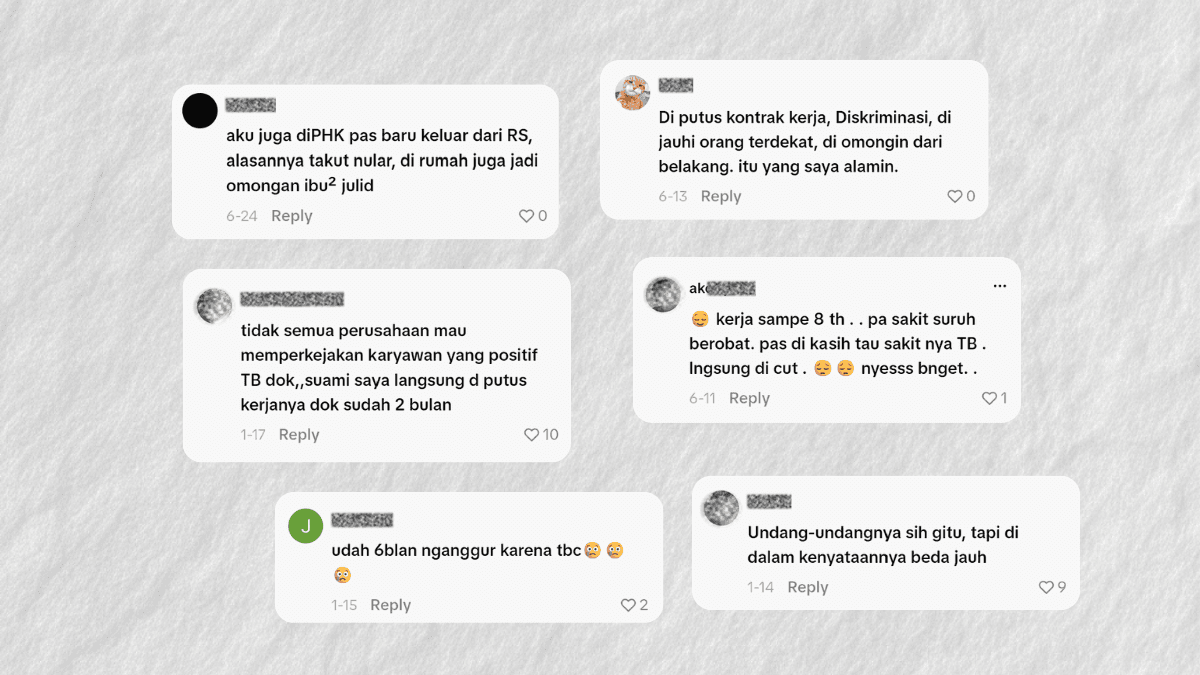
The biggest fear is not just about the results of the examination, but concerns about stigma. Afraid of being labeled as an Islamic boarding school with many TB cases. Fear of tarnishing your good name.
Cadres also had difficulty entering. Licensing is not easy. The number of students is quite large, but access is limited.
This is where cross-sector coordination becomes key. The person in charge of TB at the health center intervened. The village office also supports it. Dialogue is carried out repeatedly. Explanations were given patiently. Until finally, screening can be carried out.
Trust doesn't come in a day. It is built on communication.
Screening that is not just an examination
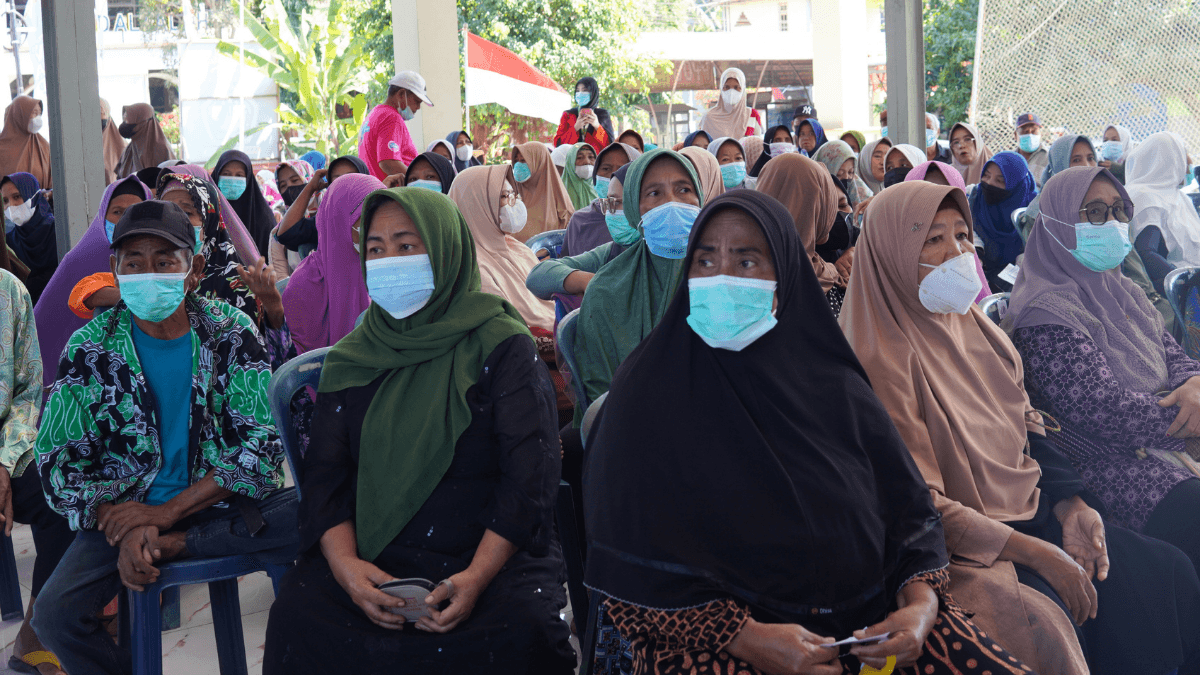
 SSTB with X-Ray in Ciawi District - Bogor
After cadre debriefing and target mapping were carried out, home visits began. Invitations are distributed as directed.
The day of the screening is a special moment.
There are residents who come alone. Some people came in droves. Some were picked up by the village standby car. There is even a team that drives to ensure participants arrive safely.
Interestingly, some participants were not afraid of being tested positive for TB. They are actually afraid that the X-ray results will show other conditions that are considered "bad". This fear shows how health screening is still often overshadowed by anxiety.
For each screening participant, Supplementary Feeding (PMT) is provided. Not as a gimmick, but as a form of real support. Boiled eggs and milk were distributed. There are cadres who volunteer to add to the contents of the package. However, there are also those who are overwhelmed by having to boil eggs, package them, look for quality milk, often with sudden preparations. In some situations, providing PMT is ultimately assisted by vendors.
More Than Just a Program
The FCSDS project is not just about detecting TB faster. It's about building a support system at the village level. About ensuring that TB is no longer an issue discussed in whispers.
Bogor's geography at the foot of the mountains presents its own challenges. The rain that fell suddenly meant that cadres often got caught in the rain during their visits. But enthusiasm did not subside.
The experience in Bogor shows one important thing: when the village is involved, when the village head and PKK women take action, when the RT/RW intervene, then TB screening is no longer just a health program, it becomes a collective movement. Through the FCSDS, STPI and the involvement of elements of the Bogor city village community, it has been recorded that almost thousands of people have been screened and this will continue to increase.
This is because all sectors work together, not to find fault.
But to save lives.